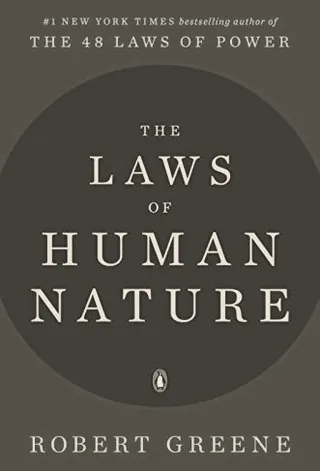
600 pages of gold. A book this length normally would really put me off/intimidate me, but i’d highly recommend this to anyone. Beautifully broken out into 18 chapters - each of these starts with a story of a famous person in history, and how these used said human nature law to achieve success. This story is then followed by some theory, further anecdotes, and finally how the reader can deploy this in their everyday life. For someone who really values simple writing, I love this format. Made the 600 pages fly past in a breeze.
- Law of irrationality - master your emotional self.
- Story of 432BC Pericles Athens vs Spartan - emotions turn us inward away from reality, so Pericules decided to base decisions on what actually served the greater good of Athens, not making decisions drive by emotion, greed, fear. “Voice of Athena”. Pericles pushed for defence + not greed, but Athens overcommitted in a hunt for Spartan land, and ultimately lost in devastating fashion.
- recognise the biases - confirmation/conviction/appearance/group/blame/superiority
- beware inflamating factors - childhood trigger points/sudden gains + losses/rising pressue/inflaming individuals/group effect
- Bring out rational self; increase reaction time/examine emotions to their roots/accept people as facts
- Law of narcissism - transfer self love into empathy.
- our survival + happiness depend on the bonds we form with others. We are all on the scale of narcissism, key is to be a healthy narcissist, developing empathy.
- i, Empathy is a state of mind, acceptance of your own character, incl. flaws, you have the same nature as others.
- ii, visceral - pay attention to body language + tone of voice. Try to figure out peoples intentions.
- 💥🤓iii, analytic - gather as much as you can about early years of people you are studying and their relationship to parents + siblings, + current relationship. Read their reaction to authority figures, are they rebellious/submissive?
- 4 types of narcissists -
- i, complete control (stalin),
- ii, theatrical and addicted to drama (amber heard),
- iii, couple fighting (Tolstoy)
- iv, healthy narcissist mood reader (Shackleton)
- our survival + happiness depend on the bonds we form with others. We are all on the scale of narcissism, key is to be a healthy narcissist, developing empathy.
- Law of role playing - see through people’s masks.
- dominance cues - fast speech, eye contact, being late, interrupting
- adapt to audience, master non verbal cues,
- Law of compulsive behaviour - determine the strength of peoples character
- ignore the front that people display, the myth that surrounds them, and look at patterns from their past, quality of decisions, how they’ve problem solved, delegated, teamworked. “Character is destiny”. There is no such thing as fate, but there is character - our way of dealing with people/problems.
- 3 layers of character
- i, genetics - predisposes us toward certain moods
- ii, childhood - bonds with mother/caregiver. Either Free, Disorganised, Dismissing, Ambivalent
- iii, strategies developed into adulthood for dealing with people
- Character signs; how they react to stress, deal with subordinates, handle power, choice of partner, how they act away from work (eg competitiveness in sport, not being overtaken in driving, how they deal with losing).
- tests; a good natured joke at their expense, give them st