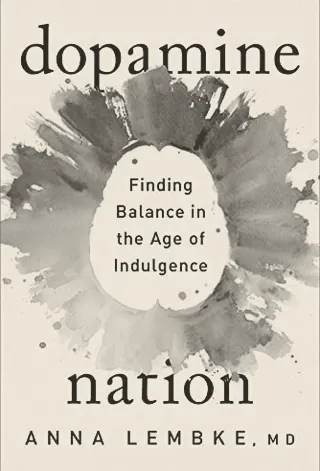
An incredibly topical book.
The internet suggest behaviours that otherwise may never had occurred to us, and normalises these behaviours. This is completely new to the human race.
- what kinds of barriers can you put into place to make it harder for you to get easy access to your drug of choice?
- physical barriers; lockboxes, gastric bands, drugs
- time; allowing consumption at certain times; start by tracking usage of the drug
- categorising; avoiding categories of items
- pain is to treat pain - train your brain not to revert to the fearful stimuli, develop the mental callouses to be able to tolerate anxiety
- honesty - promotes intimate human connections - consuming dopamine leads to isolation + indifference, as the drug replaces the reward obtained from being in relationship with others
- Honesty tethers us to our existence and makes us feel real in the world. “Fake” lives online make us feel detached + depersonal.
Other lessons:
- The relentless pursuit of pleasure (and avoidance of pain) leads to pain.
- Recovery begins with abstinence.
- Abstinence resets the brain's reward pathway and with it our capacity to take joy in simpler pleasures.
- Self-binding creates literal and metacognitive space between desire and consumption, a modern necessity in our dopamine-overloaded world.
- Medications can restore homeostasis, but consider what we lose by medicating away our pain.
- Pressing on the pain side resets our balance to the side of pleasure.
- Beware of getting addicted to pain.
- Radical honesty promotes awareness, enhances intimacy, and fosters a plenty mindset.
- Prosocial shame affirms that we belong to the human tribe.
- Instead of running away from the world, we can find escape by immersing ourselves in it.